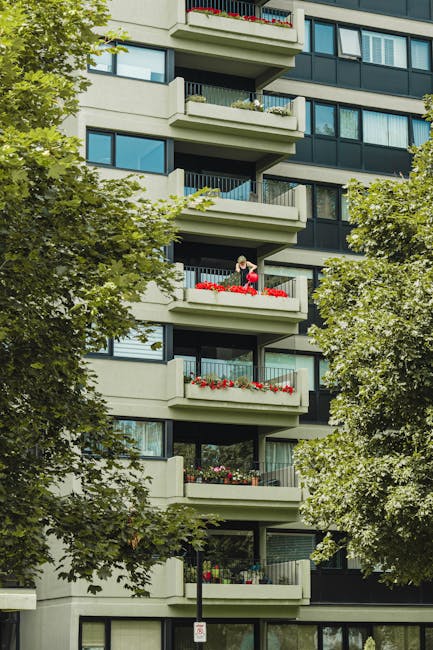
What to know about end of tenancy cleaning in Queensbury Road flats
Moving out of a flat is rarely simple. There are boxes everywhere, dates to juggle, keys to hand back, and that odd little feeling that you have somehow lived in more dust than you realised. If you are trying to work out what to know about end of tenancy cleaning in Queensbury Road flats, the short version is this: the clean needs to be thorough, sensible, and aligned with the condition you agreed to when you moved in.
That sounds straightforward enough, but in real life there are always a few wrinkles. Flats can have compact kitchens, shared hallways, stubborn limescale, carpet wear, and furniture marks that only seem to appear once the room is empty. This guide walks through what end of tenancy cleaning usually involves, why it matters, how to approach it properly, and where people most often trip up. If you want a clear, practical view before you move, you are in the right place.
Expert summary: end of tenancy cleaning is not just about making a flat look tidy. It is about leaving every room at a standard that reduces the chance of disputes, supports your deposit return, and shows respect for the next tenant and the landlord's final inspection.
For many renters, the job becomes easier when it is broken into manageable sections. A proper clean often includes carpets, upholstery, ovens, bathrooms, inside cupboards, skirting boards, and the awkward spots behind radiators and appliances. Some people handle it themselves; others bring in help for the heavy lifting. Either way, a good plan matters more than last-minute panic. Let's face it, nobody does their best work with a hoover in one hand and a rental inspection email in the other.
Table of Contents
- Why end of tenancy cleaning in Queensbury Road flats matters
- How end of tenancy cleaning works
- Key benefits and practical advantages
- Who this is for and when it makes sense
- Step-by-step guidance
- Expert tips for better results
- Common mistakes to avoid
- Tools, resources and recommendations
- Law, compliance, standards, or best practice
- Options, methods, or comparison table
- Case study or real-world example
- Practical checklist
- Conclusion
- Frequently asked questions
Why end of tenancy cleaning in Queensbury Road flats matters
The main reason it matters is simple: a flat should be returned in the condition the tenancy agreement expects, allowing for fair wear and tear. That phrase gets used a lot, and for good reason. Wear and tear is normal. A little flattening in carpet pile, a few minor scuffs, or small marks from day-to-day living are expected. But leftover dirt, grease, limescale, grease on extractor fans, crumbs in drawers, or stains on soft furnishings are another story.
In Queensbury Road flats, where layouts can be compact and rooms do double duty, dirt tends to gather in subtle ways. Kitchen corners catch grease. Bathroom sealant collects grime. Window tracks gather that fine grey dust that seems to appear from nowhere. When a property is small, every neglected surface shows up more quickly. The post-tenancy inspection can be unforgiving, even when the rest of the flat looks decent at a glance.
There is also a practical side. A well-cleaned flat helps the next occupant settle in without delay, which is good for everyone involved. It can also prevent avoidable deductions or a drawn-out back-and-forth after check-out. If you have ever tried to argue over whether a hob was "reasonably clean," you will know how quickly these conversations become exhausting. Better to prevent the argument in the first place.
For landlords and tenants alike, a proper clean is a mark of care. It signals that the tenancy ended on good terms. That matters more than people admit.
How end of tenancy cleaning works
End of tenancy cleaning is a deep, room-by-room process designed to restore the property to a presentable and hygienic condition. It is more detailed than a normal weekly tidy-up, and it usually goes far beyond standard domestic cleaning. Think of it as the reset that happens between one household and the next.
In practice, the work often starts with decluttering. You cannot clean properly around packed boxes, loose cables, laundry baskets, or half-open storage bags. Once the space is clear, the attention turns to the parts most likely to be checked during a final inspection.
Typical cleaning areas in a flat
- Kitchen: ovens, hobs, splashbacks, worktops, sinks, cupboards, fridge interiors, and floor edges
- Bathroom: tiles, taps, toilets, baths, showers, grouting, mirrors, and limescale-prone fittings
- Bedrooms and living areas: carpets, skirting boards, shelves, wardrobes, windows, and doors
- Soft furnishings: sofas, chairs, mattresses, curtains, and rugs where included in the tenancy
- Hallways and entry spaces: corners, thresholds, light switches, and high-touch areas
Some cleaning tasks are more technical than they look. For example, steam carpet cleaning can help lift embedded soil from fibres, while upholstery cleaning may be needed where sofa arms or dining chairs have picked up everyday marks. If the flat includes soft furnishings with pet-related odours or stains, that is a separate issue and often needs more targeted treatment.
Truth be told, the flat can look clean to a tenant who has lived there for two years and still fail a check-out review. The difference is usually in detail: oven seals, shower screens, under-sink cupboards, and the places people forget because they rarely stand still long enough to see them.
Key benefits and practical advantages
There is more to end of tenancy cleaning than deposit protection, although that is usually the big one. A well-planned clean can save time, reduce stress, and make moving day feel less chaotic. Not exactly glamorous, but very useful.
- Better chance of a smooth inventory check: a clean flat is easier to inspect and less likely to trigger disputes.
- Less stress at handover: you are not scrambling to clean the oven at 10 p.m. the night before you leave.
- More consistent results: a checklist gives structure, which helps when the flat has several rooms and lots of small surfaces.
- Improved hygiene: food residue, bathroom build-up, and dust are removed before the next tenant arrives.
- Good impression: even when the tenancy is ending, a well-kept flat reflects well on you as a tenant.
There is also a money-saving angle. If certain jobs need specialist equipment, doing them poorly the first time can mean paying again. For example, scrubbing carpet stains without the right method may spread the mark or push it deeper into the fibres. The same goes for trying to remove set-in grime from upholstery with too much water. A small mistake can become a bigger bill. Annoying, but common.
People often overlook the emotional side too. Moving out can feel like a strange in-between period. A proper final clean creates a sense of closure. The flat stops being a place you are leaving and becomes a place you have left well. That sounds a bit sentimental, maybe, but it is true.
Who this is for and when it makes sense
End of tenancy cleaning is relevant for more people than just tenants moving at the end of a lease. It can also be useful for landlords preparing for a new occupant, letting agents arranging a re-let, or flatmates splitting responsibilities at the end of a shared tenancy.
It makes sense if you are:
- moving out of a Queensbury Road flat after a fixed-term tenancy
- trying to reduce the risk of cleaning-related deductions
- leaving behind furnished items that need attention
- handing over a property with carpets, rugs, or upholstery that have seen heavy use
- short on time because moving logistics have taken over the whole week
It is especially worth considering if the flat has been lived in by children, pets, smokers, or multiple occupants. That is not a criticism, by the way. It just means there is more surface wear and more cleaning detail to manage. A one-bedroom flat with an oven, carpeted living room, and two wardrobes can still take a surprising amount of work once everything is emptied.
There are also times when a professional clean makes more sense than doing everything yourself. If you are juggling removals, utility handovers, final paperwork, and travel on the same day, the practical pressure can be too much. If your cleaning standards are good but time is short, outsourcing the heaviest tasks can be the sensible move. No shame in that at all.
For some people, the deciding factor is specialist treatment. If you need pet stain and odour removal, stain removal, or attention for tired curtains and blinds, those jobs can be awkward without the right approach. Mixed materials, delicate fabrics, and older fittings all call for a bit of care.
Step-by-step guidance
Here is a simple, practical way to approach end of tenancy cleaning without losing the plot halfway through.
- Check the tenancy agreement and inventory. Look for any cleaning clauses, condition notes, and listed items. This gives you the standard you are aiming for.
- Remove belongings first. Cleaning around boxes is inefficient and usually misses corners. Clear rooms as much as possible.
- Start high, then move low. Dust shelves, tops of doors, picture rails, and light fittings before cleaning surfaces and floors.
- Work room by room. This keeps the job contained. Finish one space properly before moving to the next.
- Focus on the kitchen and bathroom. These rooms tend to be the most heavily inspected and the most likely to show residue.
- Tackle carpets and soft furnishings. Vacuum thoroughly, spot-treat marks, and consider deeper cleaning if the fibres or fabric need it.
- Do a final inspection in daylight. Evening light hides dust and streaks. Morning light, annoyingly, does not.
- Photograph the finished flat. Keep a record of the condition you left behind, especially if there is likely to be a deposit discussion.
A useful trick is to keep a small "inspection eye" in mind while cleaning. Ask yourself: would a stranger notice this from the doorway? If the answer is yes, it probably needs one more pass. That simple test catches a lot of missed spots.
Some tenants also prefer to book a specific service in advance for heavier jobs. For example, a flat with a wool rug might benefit from professional rug cleaning, while older sofas or dining chairs may need a proper refresh through sofa cleaning. That way, the final day is less frantic and more predictable. Which, honestly, is what you want.
Expert tips for better results
A few small habits make a big difference. In our experience, the best end of tenancy cleans are the ones that avoid rushing and use the right sequence. Not fancy. Just methodical.
- Leave carpets for last if possible. That stops fresh foot traffic from undoing your hard work.
- Use the right cloth for the job. Microfibre is great for many surfaces, but it is not always enough for stubborn kitchen residue.
- Pay attention to touchpoints. Handles, switches, banisters, and cupboard edges gather grime fast.
- Open windows during and after cleaning. Fresh air helps remove that damp-cleaning smell that can linger in small flats.
- Check appliance seals and corners. These are tiny places, but they catch the eye in an inspection.
- Do not over-wet carpets or upholstery. Too much moisture can leave marks or slow drying.
A little side note: if you can smell cleaning product more strongly than fresh air by the end, you may have gone a touch too far. It happens. We have all been there, standing in a hallway with a spray bottle and optimism.
If the flat has curtains, remember that dust and odour can cling to fabric even when the rest of the room looks spotless. A targeted curtain cleaning service can help when the tenancy includes heavier drapes or fabric that has absorbed cooking smells over time. Curtains are one of those things people forget until they open them and a little cloud of dust politely disagrees.
Also, if you are comparing service options, check what is actually included. Some providers focus on carpets only, while others cover multiple surfaces. A broad approach is often better for end of tenancy work because the property needs to be reset as a whole, not cleaned in isolated patches.
Common mistakes to avoid
Most cleaning disputes are not caused by dramatic negligence. They are caused by ordinary oversights. Small things. Easily missed, but they matter.
- Leaving the oven until the last minute: baked-on grease takes time, and often more than expected.
- Cleaning around items instead of moving them: hidden dust under furniture or appliances is one of the classic inspection problems.
- Assuming "tidy" equals "clean": those are not the same thing, especially in a rental check-out.
- Ignoring limescale and soap residue: bathrooms can look fine at first glance and still fail close-up scrutiny.
- Forgetting internal cupboard shelves: crumbs, stains, and sticky patches hide there.
- Using the wrong product on delicate surfaces: some finishes do not like abrasive pads or strong chemicals.
There is another one people overlook: not allowing enough time. A full flat clean can take far longer than a standard weekly tidy. If you are moving on the same day, the timing becomes tight very quickly. It is better to start earlier and finish calmly than to rush and miss the exact thing that gets noted during the inventory.
One of the more frustrating mistakes is failing to document the condition of the property at the end. If there is a disagreement later, you want a simple record. A few clear photos taken after cleaning can help. It is a small admin task that can save a lot of back-and-forth.
Tools, resources and recommendations
You do not need an industrial van full of equipment to do a decent end of tenancy clean, but the right tools help a lot. The basics are usually enough for maintenance cleaning, while deeper jobs benefit from specialist methods.
| Task | Useful tools | Best for |
|---|---|---|
| General surfaces | Microfibre cloths, mild detergent, bucket, spray bottle | Dust, fingerprints, everyday dirt |
| Kitchen cleaning | Degreaser, non-scratch sponge, scraper, gloves | Hobs, splashbacks, cupboard fronts, oven areas |
| Bathroom cleaning | Limescale remover, grout brush, toilet cleaner, cloths | Tiles, taps, shower screens, toilets |
| Floor care | Vacuum, mop, carpet cleaning equipment if needed | Hard floors, carpets, thresholds |
| Fabric care | Spot cleaner, upholstery tool, lint brush | Sofas, chairs, rugs, mattresses |
If you are handling the whole flat yourself, make sure your cleaning products suit the surfaces in the property. This is especially important for wood finishes, stone worktops, chrome fittings, and older appliances. A powerful product may work brilliantly on grime and still damage a surface that was never designed for it. Bit of a nuisance, but worth checking.
For some households, the most practical route is to combine self-cleaning with a few specialist services. A deeper mattress cleaning can be useful when beds have been in daily use, and carpet cleaning can help with high-traffic rooms, hallway routes, or older pile that no longer responds to vacuuming alone. That hybrid approach is often better than trying to do everything with standard products and sheer willpower.
It is also wise to understand the company you are using. A quick look at the provider's about us page and insurance and safety information can give you reassurance before booking. If you want to compare options or plan around your move-out timetable, the pricing and quotes information is a sensible place to start. Not exciting reading, sure, but helpful.
Law, compliance, standards, or best practice
End of tenancy cleaning sits within a wider UK rental context where the exact obligations depend on the tenancy agreement, the condition of the property, and the standard of cleanliness expected at handover. It is best to avoid making assumptions. What counts is usually the tenancy contract, the inventory report, and whether the property is returned in a reasonably clean condition with fair wear and tear taken into account.
As a tenant, the safest approach is to treat the tenancy agreement as the starting point and the check-in inventory as your benchmark. If the inventory says the carpet was professionally cleaned before move-in, for example, it is sensible to leave it at a similar standard when moving out. If there is uncertainty, ask the letting agent for clarification before the final day. That one email can prevent a lot of guesswork later.
From a best-practice perspective, hygiene, safe product use, and careful handling of surfaces matter. Overuse of chemicals, poor ventilation, and rushed drying are all avoidable. For landlords and managing agents, consistency is important too. A clear, documented handover process helps everyone know where they stand. It is boring in the best possible way.
If you are arranging a clean through a provider, it is also sensible to review their policies and procedures. Pages such as terms and conditions, payment and security, health and safety policy, and privacy policy help set expectations around how the service is delivered and how information is handled. If you are the sort of person who likes to know where you stand before anyone turns up with a vacuum, that material is worth a look.
Options, methods, or comparison table
There is no single "best" way to do an end of tenancy clean. The right choice depends on time, budget, the condition of the flat, and how much specialist work is needed. Here is a practical comparison.
| Approach | Best for | Pros | Watch-outs |
|---|---|---|---|
| DIY clean | Flats in decent condition with limited buildup | Cheaper, flexible, full control | Time-consuming, easy to miss details |
| Partial specialist clean | Homes with carpets, upholstery, or problem stains | Targets the hardest tasks, good value balance | Still requires good organisation for the rest of the flat |
| Full professional clean | Busy moves, furnished flats, heavy wear, tight deadlines | Consistent finish, less stress, better for detailed areas | Cost may be higher than doing it yourself |
The choice is not always either-or. Plenty of people do the easy sections themselves and leave the toughest jobs to specialists. That is often the sweet spot, especially in flats where kitchen grease, carpet wear, and soft furnishing marks pile up at different rates.
If your flat includes a sofa that has absorbed daily use, or if there are fabric chairs that need attention, it may be worth including upholstery cleaning in your plan. And if there is a stubborn patch that keeps coming back, a targeted stain removal treatment can be more effective than repeated scrubbing. Sometimes less effort, done properly, wins. A rare but beautiful thing.
Case study or real-world example
Imagine a one-bedroom Queensbury Road flat with a small kitchen, carpeted living room, and a bathroom that has seen two years of regular use. The tenant has packed most belongings already, but the oven has baked-on residue, the carpet near the sofa has a darker patch, and the bathroom screen has limescale around the lower edge. The flat does not look messy, exactly. It just looks lived in.
The first pass is a general clean: dusting, vacuuming, wiping cupboards, and clearing surfaces. That helps a lot, but it does not solve the deeper issues. The oven still needs more time, the carpet mark remains visible, and the shower screen still looks a bit cloudy in daylight. So the tenant decides to split the job: DIY for the general clean, specialist help for the heavier areas.
That kind of mixed approach often works well. The flat ends up looking properly reset rather than merely cleaned around the edges. The tenant also gets a cleaner handover experience because the obvious trouble spots have been dealt with before inspection day. No drama, no last-minute panic, no one silently judging the underside of the sink cabinet. Well, less judging, anyway.
This is where end of tenancy cleaning becomes practical rather than theoretical. Most flats do not need perfection. They need careful attention where it matters. The rooms should feel fresh, the surfaces should be visibly clean, and the property should be ready for the next person without awkward excuses.
Practical checklist
Use this checklist as a final walk-through before you hand the keys back.
- All personal belongings removed
- Kitchen surfaces cleaned and wiped dry
- Oven, hob, extractor, and splashback checked
- Cupboards emptied, wiped, and inspected inside
- Bathroom fixtures descaled and disinfected where appropriate
- Mirrors and glass cleaned without streaks
- Carpets vacuumed and treated for marks if needed
- Rugs, sofas, and chairs cleaned if included in the tenancy
- Mattress, curtains, and upholstery checked for stains or odours
- Skirting boards, switches, door handles, and frames wiped
- Windows, ledges, and tracks cleaned
- Bins emptied and cleaned
- Floors swept or vacuumed, then mopped if suitable
- All lights working and any moved items put back neatly
- Photos taken of every room after cleaning
If you want an especially tidy finish, keep a small cloth with you during the final walk-through. You will nearly always spot one fingerprint, one dusty corner, or one small mark that the main clean missed. It happens to everyone. Even the best planners end up staring at a skirting board for longer than they expected.
Get a free quote today and see how much you can save.
Conclusion
What to know about end of tenancy cleaning in Queensbury Road flats comes down to preparation, detail, and judgement. You do not need to overcomplicate it, but you do need a method. Focus on the rooms that matter most, give special attention to carpets and soft furnishings, and check the inventory so you are working to the right standard. That alone removes a lot of stress.
If time is tight or the flat needs deeper treatment than standard domestic cleaning can handle, it is sensible to get help for the specialist parts. A calm, well-organised approach usually leads to a smoother handover and fewer arguments after the move. And honestly, that is worth a lot on a moving day that already feels long enough.
Do the work once, do it properly, and give yourself the clean break you were hoping for. It is a small thing in the grand scheme, but it makes the end of a tenancy feel a lot more settled.
Frequently Asked Questions
What does end of tenancy cleaning usually include in a Queensbury Road flat?
It usually includes a deep clean of the kitchen, bathroom, bedrooms, living spaces, floors, surfaces, cupboards, and any included soft furnishings. The exact scope depends on the tenancy agreement and the condition of the flat.
Do I have to professionally clean carpets before moving out?
Not always. It depends on the tenancy terms and the condition of the carpets when you moved in. If the carpets were professionally cleaned at the start, it may be expected that they are returned in a similar condition.
Is a normal weekly clean enough for end of tenancy purposes?
Usually not. A weekly clean keeps a home presentable, but end of tenancy cleaning is more detailed. It focuses on hidden dirt, built-up grime, and areas that are commonly checked during inventory or check-out inspections.
How long does end of tenancy cleaning take in a flat?
That depends on size, condition, and whether any specialist work is needed. A small, well-kept flat can be quicker, while a furnished property or one with heavy use often takes much longer. It is safer to allow more time than you think.
What are the most commonly missed areas?
Oven seals, inside cupboards, skirting boards, shower screens, extractor fans, window tracks, behind appliances, and the edges of carpets are commonly missed. These are the details that often show up during an inspection.
Can I lose my deposit over cleaning issues?
Cleaning-related deductions can happen if the property is not returned in the condition required by the tenancy agreement, beyond fair wear and tear. Good records, photos, and a careful final clean all help reduce that risk.
Should I clean before or after moving my belongings out?
It is much easier after your belongings are out. You can clean corners, floors, and hidden surfaces properly only when the rooms are clear. Trying to do it around boxes usually slows everything down.
What if my flat has pet stains or smells?
That is where targeted treatment helps. Standard cleaning may not be enough for odours or set-in marks, especially on carpets, sofas, or mattresses. A more focused approach is usually needed.
Are curtains and upholstery part of end of tenancy cleaning?
They can be, especially if they were part of the tenancy inventory or have visible marks, dust, or odour. Fabrics often hold onto smells and dust in a way hard surfaces do not.
Is it better to do the clean myself or hire help?
It depends on your time, budget, and the condition of the property. DIY works well for lighter jobs, but specialist help can be worth it for carpets, stains, upholstery, or when you are under time pressure.
How do I know if a cleaning provider is trustworthy?
Look for clear service information, straightforward terms, and practical details such as insurance, safety, and pricing. A transparent provider is usually easier to work with, and you can ask questions before booking if anything feels unclear.
What should I do on the final day before handing back the keys?
Do one last walk-through in good light, check high-touch areas, make sure bins are empty, confirm the flat is fully cleared, and take photos. That final check often catches tiny issues that would otherwise be missed.
What is the biggest mistake tenants make?
The biggest mistake is underestimating how long a proper end of tenancy clean takes. People often leave it too late, rush the last rooms, and miss the areas that matter most. A bit of planning goes a long way.